Swivel Hoist Rings vs Standard Eye Bolts
Catégorie : Rigging Accessories
Engineering comparison between Swivel Hoist Rings and standard eyebolts: evaluating full 360° swivel, 180° pivot, zero angle derating (100% WLL at 90°), and die-turning safety.
Galerie Photos / Photo Gallery
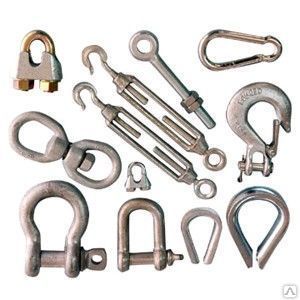
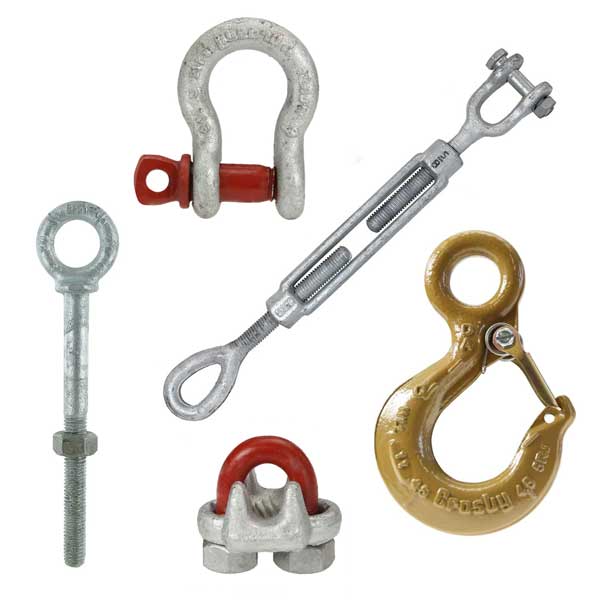
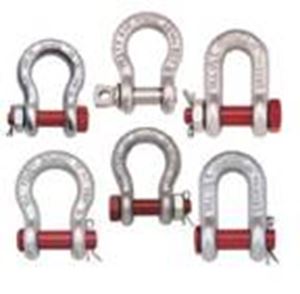
When lifting heavy machinery, industrial dies, transformers, and prefabricated structural modules, providing safe, articulated rigging attachment points is a primary engineering concern. For decades, standard shouldered eyebolts served as the default threaded attachment hardware. However, as modern rigging practices have evolved to demand higher safety factors and greater flexibility, **Swivel Hoist Rings** have rapidly replaced conventional eyebolts as the preferred industry standard for critical overhead lifts. Understanding the mechanical superiority, safety advantages, and cost-benefit trade-offs of swivel hoist rings compared to standard eyebolts is essential for plant engineers, rigging superintendents, and safety directors across Central Africa. ## The Engineering Limitations of Standard Eyebolts While economical and widely available, standard shouldered eyebolts (such as DIN 580) suffer from severe mechanical constraints: - **Severe Capacity Derating:** An eyebolt pulled at a 45° sling angle loses **70% of its rated Working Load Limit**. - **Fixed Angular Orientation:** The eye of an eyebolt cannot rotate once torqued down. If the crane moves or the sling pulls slightly out of plane, massive bending stresses shear the threaded shank. - **Backing-Out Hazard:** If a load rotates during hoisting, friction against the eyebolt can unscrew it from the tapped hole, causing sudden load drop. ## The Mechanics of Swivel Hoist Rings Swivel hoist rings are engineered articul...